
Although it did not have a natural harbor, German commander Curt von François founded Swakopmund in 1892 as the main port for the German colony in South West Africa because of its supply of freshwater and its close connection to the interior.
The Woermann-Linie shipping company played an important role in its quick growth as the main center for trade and transport. However, the town’s early history also includes a dark period marked by violence and forced labor.
After the German military defeated the Ovaherero people in 1904, the colonial authorities issued extermination orders, leading to many deaths and the creation of concentration camps where survivors were forced to work under terrible conditions.
Because the natural harbor at Walvis Bay was under British control, Captain Curt von François declared Swakopmund the main seaport for the Imperial German colony on August 8, 1892. The location was chosen for its access to fresh water and easy connection to inland areas such as Otjimbingwe and Windhoek.
The site offered little protection from the weather, so when the first settlers and soldiers arrived in 1893, they had to dig shelters into the sand. With the support of the Woermann-Linie shipping company, Swakopmund soon became the main port for imports and exports throughout the colony.
Following the 1904 conflict, German general Lothar von Trotha ordered the extermination of the Ovaherero people. Many who survived were imprisoned in concentration camps and forced to work under severe conditions, marking one of the most tragic chapters in the town’s history.
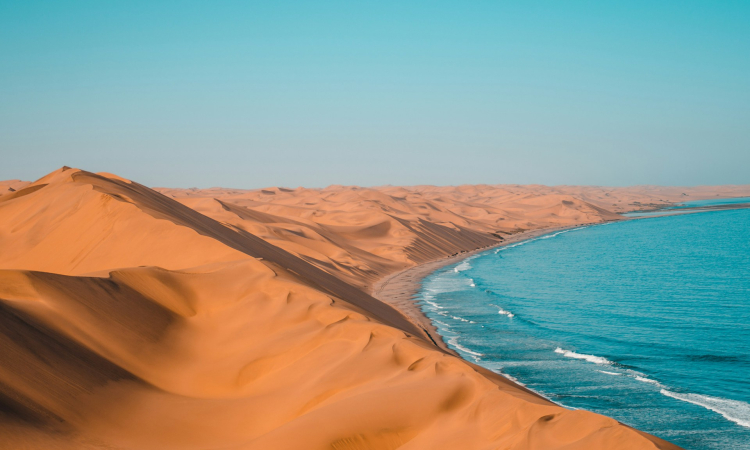
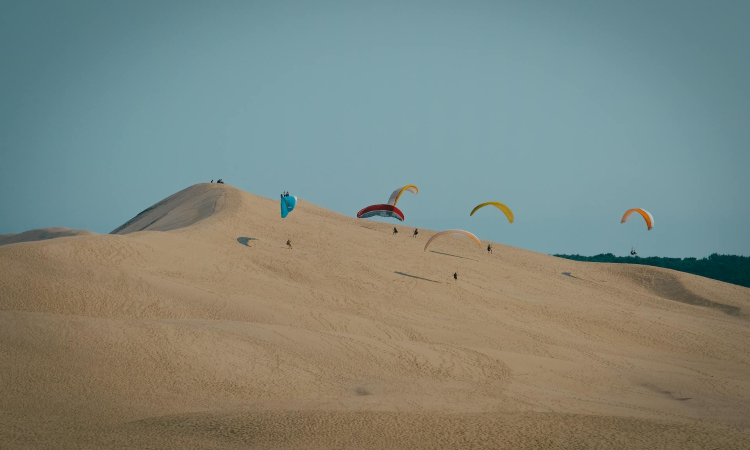
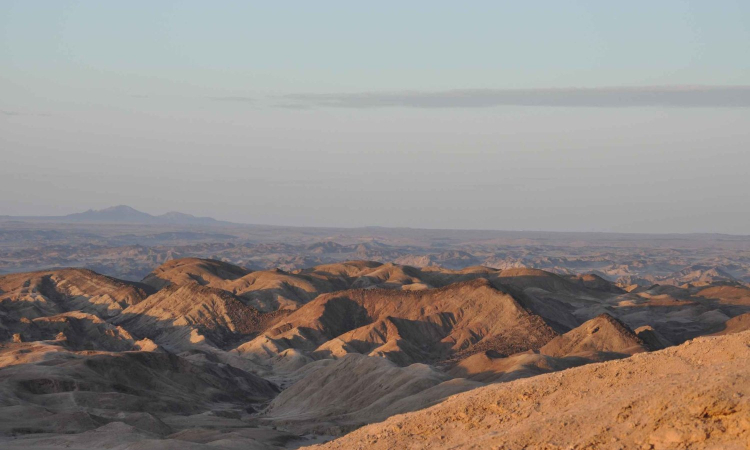
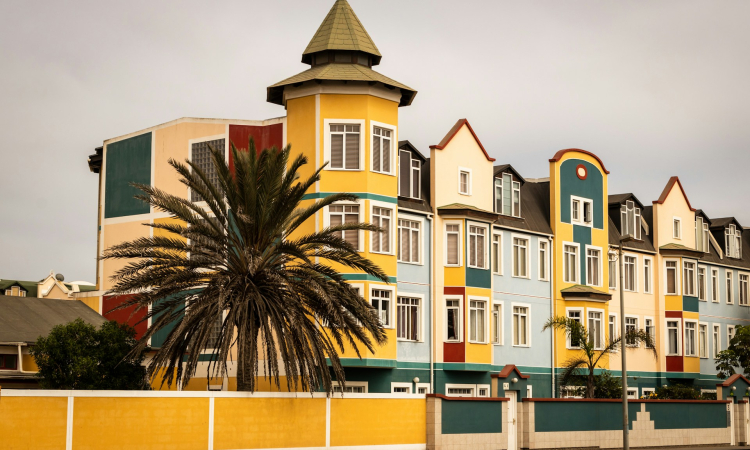
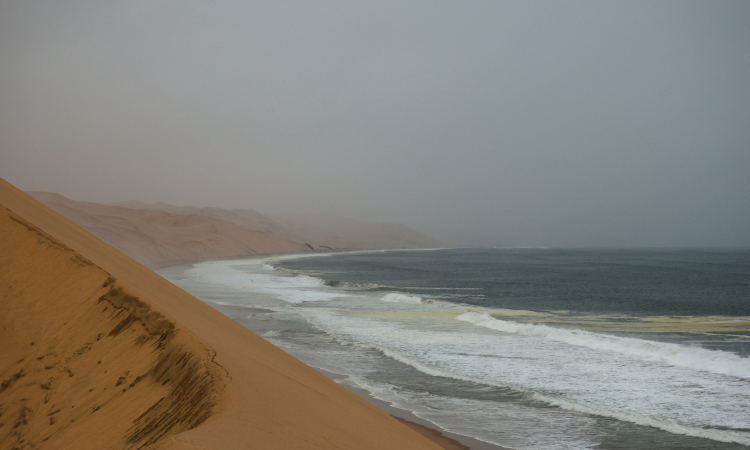
Today, Swakopmund is a lively coastal town located between the Namib Desert and the Atlantic Ocean. It is well known for its mix of German colonial architecture, wide beaches, and adventure activities.
Because of its desert climate and position along the coast, the cold Benguela Current often creates thick fog. This fog provides essential moisture for the desert ecosystem but has also caused many shipwrecks along the Skeleton Coast.