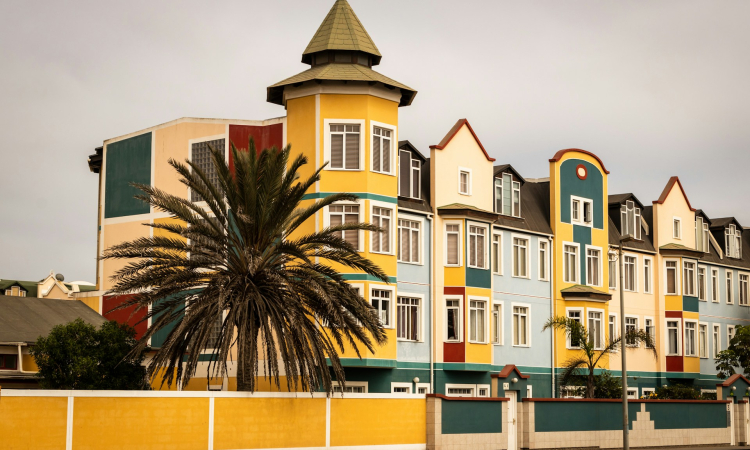
Swakopmund is a small beach town in Namibia with about 44,000 people. The town looks German but most people living here are African. You will see German bakeries next to African craft markets. This mix makes Swakopmund different from other Namibian towns.
Who Lives Here
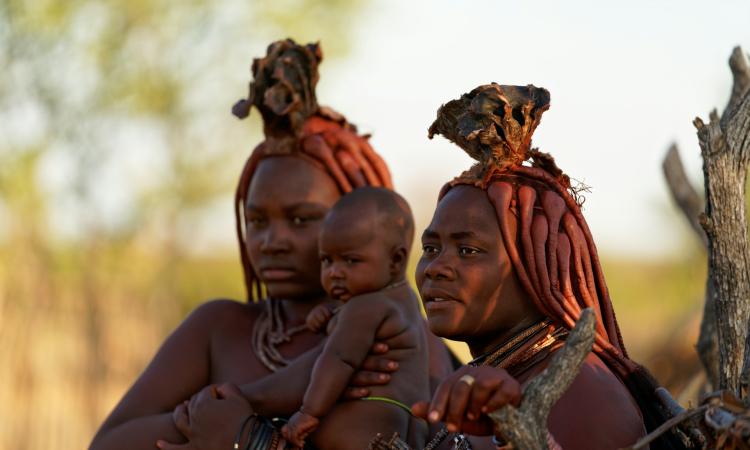
Most residents are Ovambo, Damara, Herero, and Nama people. Some German families still live here too. Many workers came from northern Namibia to find jobs in hotels and restaurants. The fishing industry gives work to lots of local families.
In the morning, you will see fishermen at the beach getting their boats ready. Women sell fresh fish at the market near the lagoon.
What People Do
Herero women wear long Victorian dresses in bright colors. They sell handmade dolls and jewelry at craft markets on Tobias Hainyeko Street. You can watch them make items and buy directly from them. Damara people make copper bracelets and necklaces. Each design means something specific to their culture.
Local people love braai, which is like barbecue. Families do braai on weekends at the beach. Rugby and soccer are big here. Kids play soccer in the streets after school. On Saturdays, everyone goes to watch rugby matches.
Daily Life
Most kids go to English schools but speak other languages at home. The town is small so people know their neighbors. Everyone walks to buy groceries and visit friends.
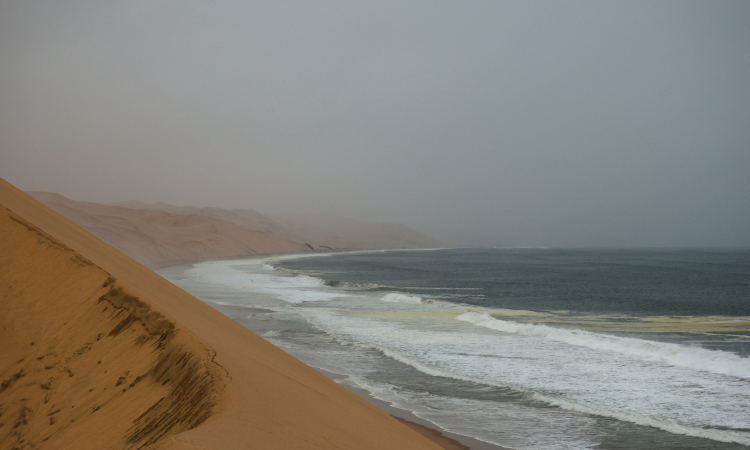
The weather stays cool because of ocean currents. Mornings have thick fog that clears by noon. People wear jackets even in summer. Water is expensive here because this is a desert, so locals are careful not to waste it.
Food and Eating
You can eat German sausages at one restaurant and African kapana at the next corner. Kapana is grilled meat sold from street stands. It costs about 20 Namibian dollars and comes with bread. Local people eat here more than at fancy restaurants.
The town has a relaxed feel. Nobody rushes anywhere. Shops close for lunch and open again later. This is just how things work here. Understanding the languages people speak helps you talk to vendors and make friends. Most young people speak English but older folks prefer Afrikaans or German.