
Swakopmund is a coastal city in Namibia known for its mix of German colonial architecture and its location between the wide Namib Desert and the rough Atlantic Ocean. The town was founded in 1892 as the main harbor of German South West Africa.
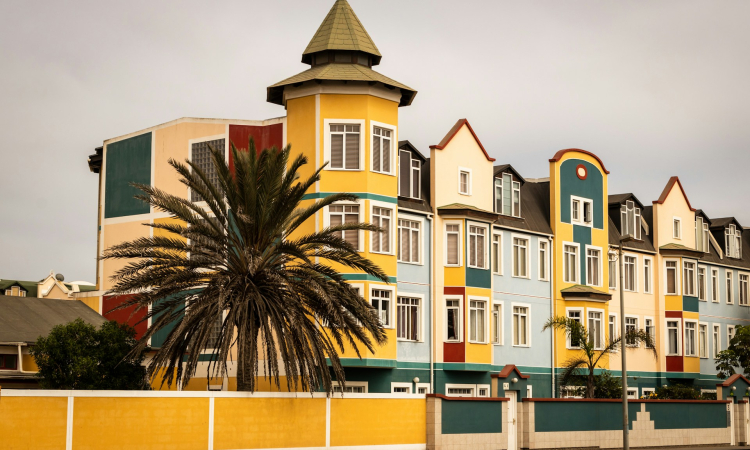
When Britain took control of the natural seaport at Walvis Bay, German settlers decided to build their own port at Swakopmund for the colony. The town’s architecture, with buildings such as the Altes Gefängnis and the Woermannhaus, still shows a strong German influence. There are also German-style restaurants, breweries, and traditions such as the annual Oktoberfest.
Because of its history, several languages are spoken in Swakopmund, including German, Afrikaans, English, and local Namibian languages.
During the Herero Wars, the German colonial government operated a concentration camp in Swakopmund, where about 2,000 Herero people died due to forced labor and poor living conditions.
Although the town still shows European influence, it is home to a mix of communities. The Mondesa Township, established in the 1960s, remains an important residential area for black Namibians.
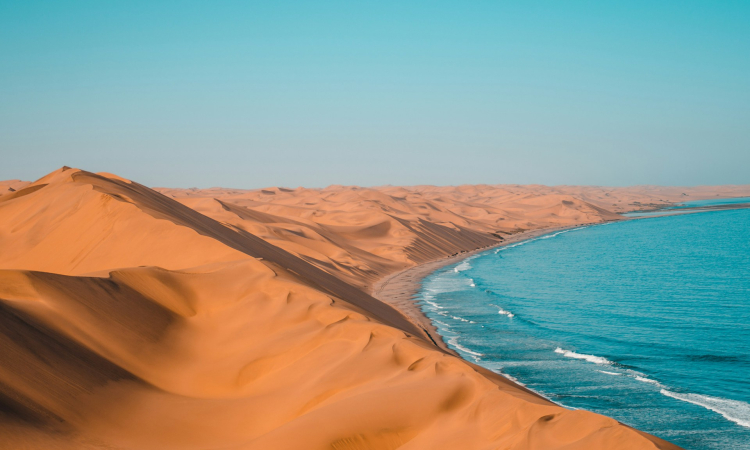
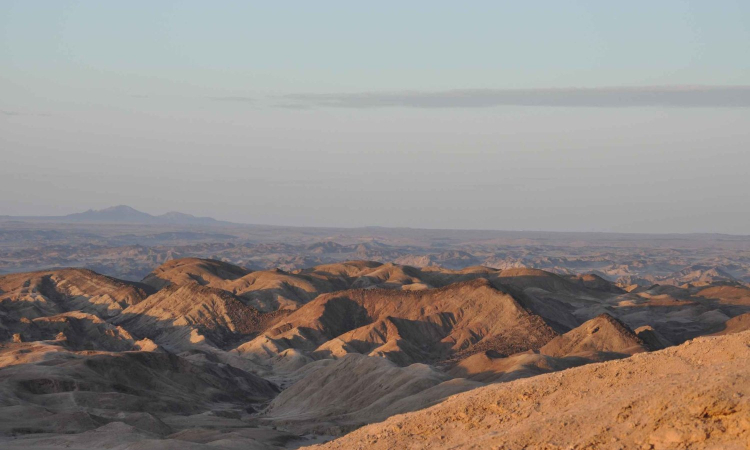
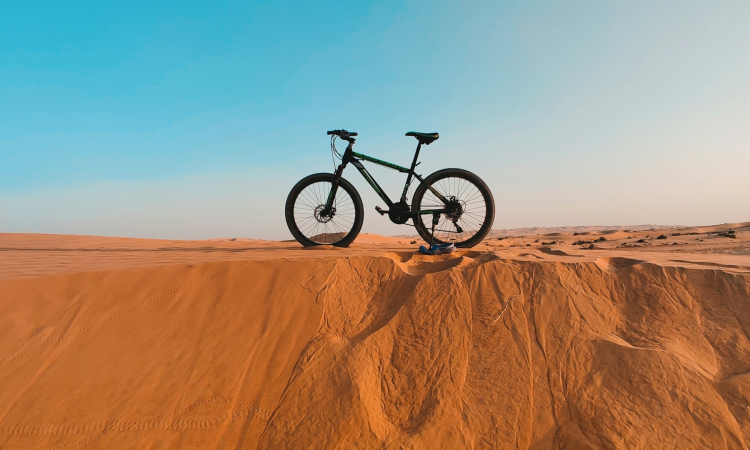
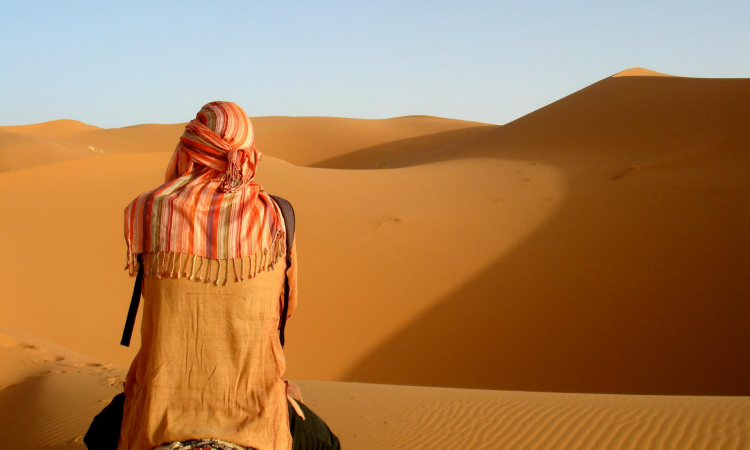
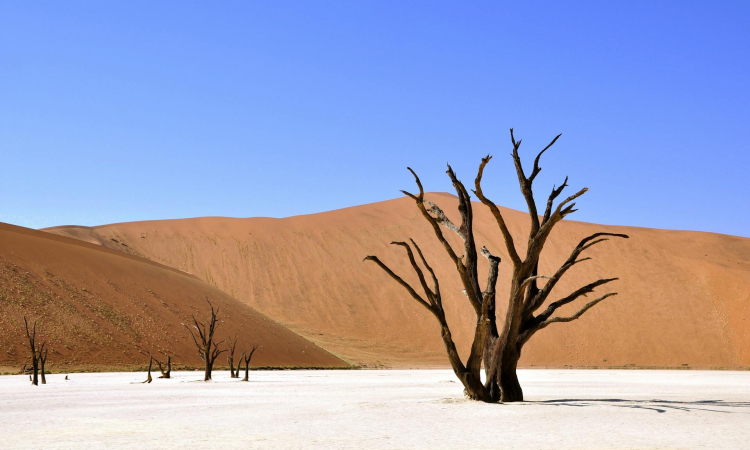
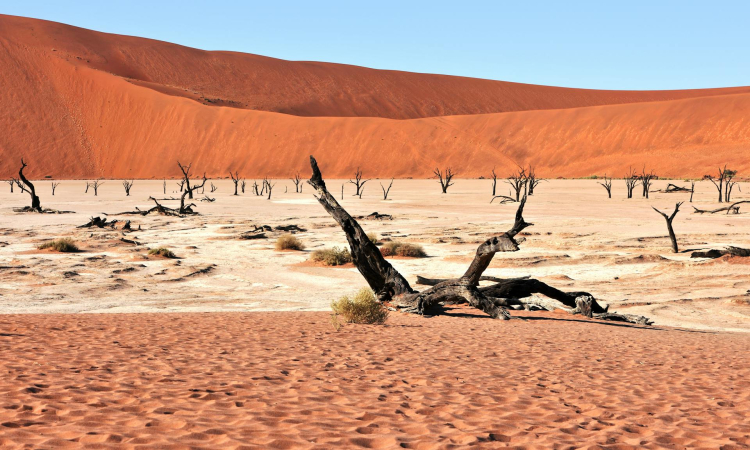
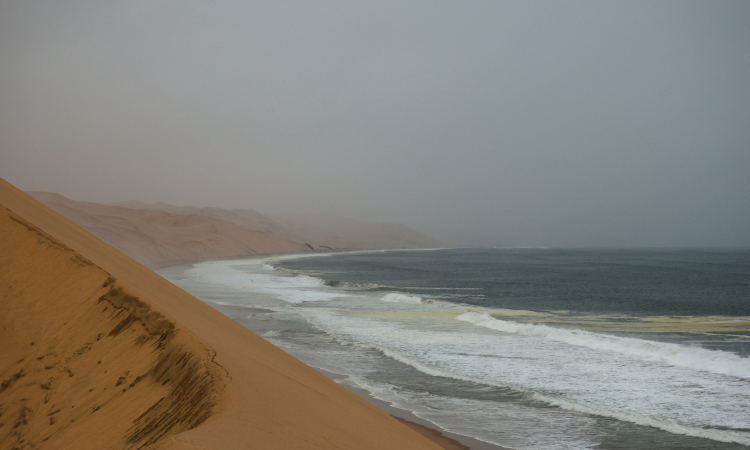
Swakopmund’s setting creates a beautiful contrast where the tall golden dunes of the Namib Desert meet the cold Atlantic Ocean. Despite being surrounded by desert, the town enjoys a mild coastal climate, with average temperatures between 15°C and 25°C.
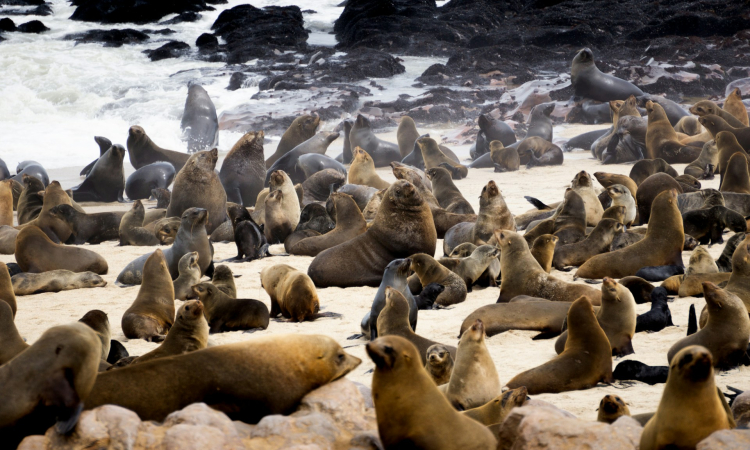
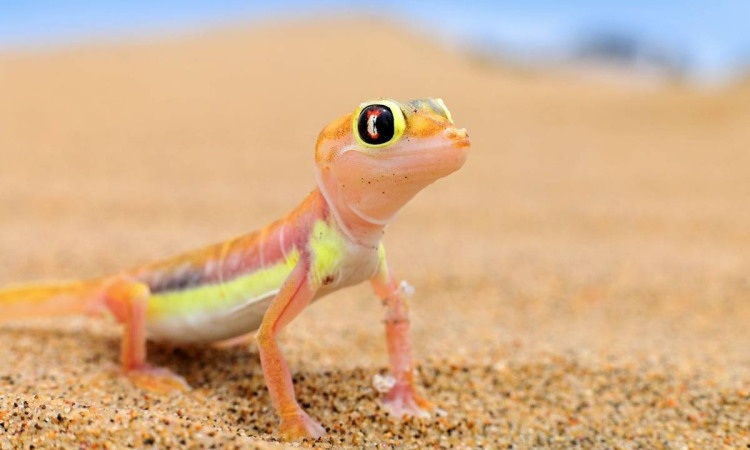
The cold Benguela Current along the coast brings thick fog that often spreads inland. This fog provides the much-needed moisture that supports desert plants and animals.
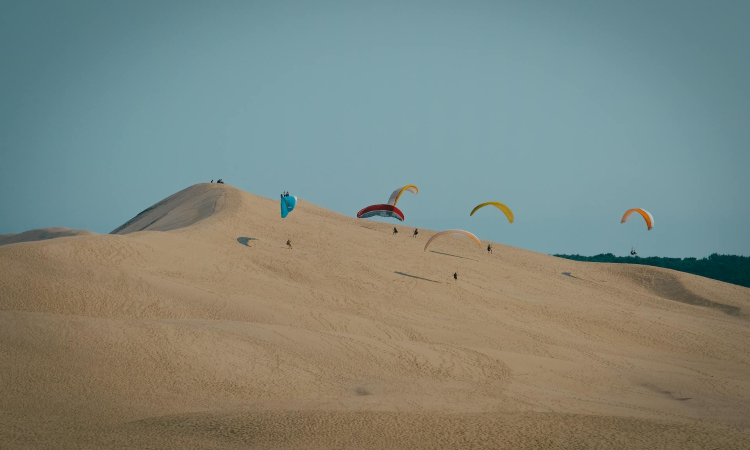
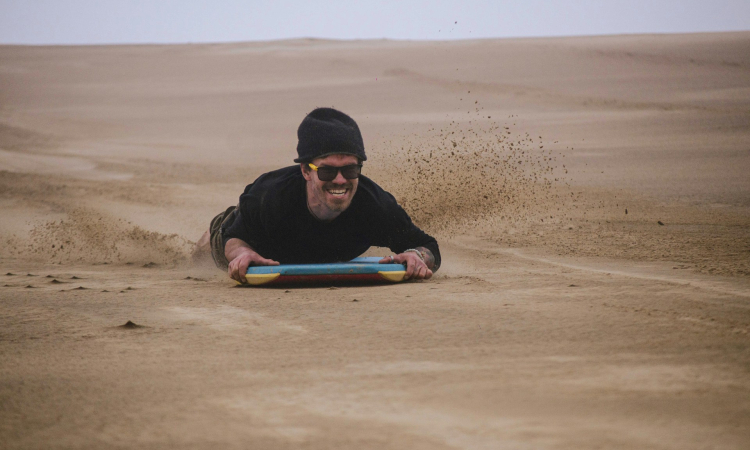
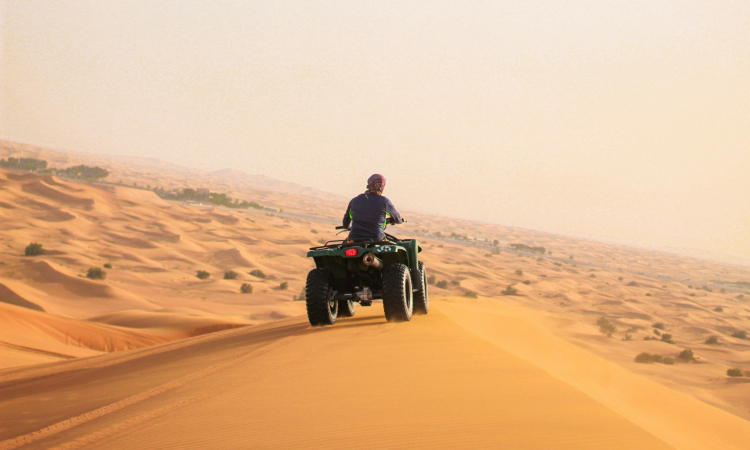
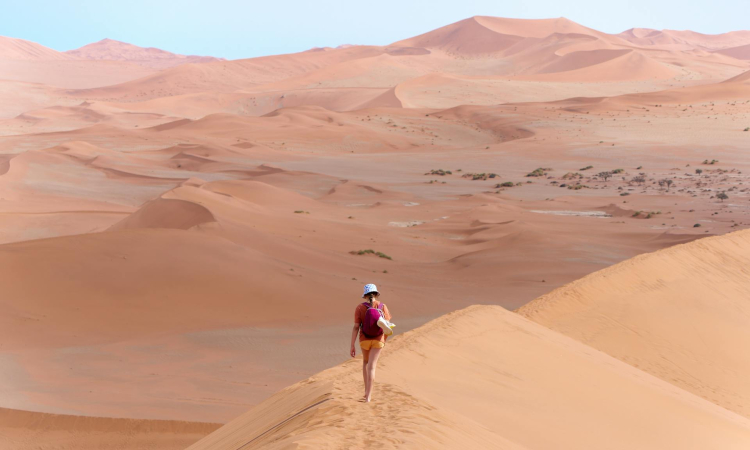
Swakopmund is considered Namibia’s main adventure center, offering activities like sandboarding, quad biking, skydiving, and desert tours. It is a popular holiday spot for both locals and international visitors, especially during the December holidays.
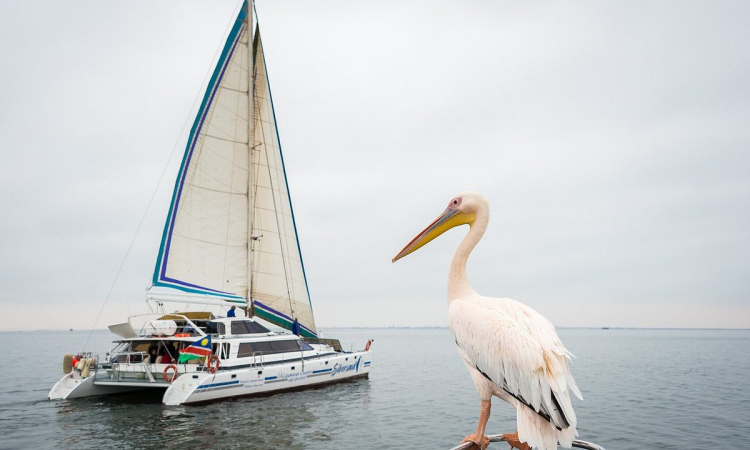
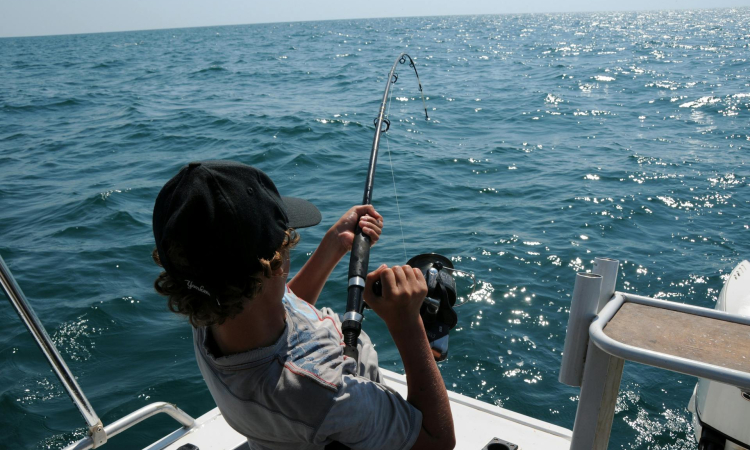
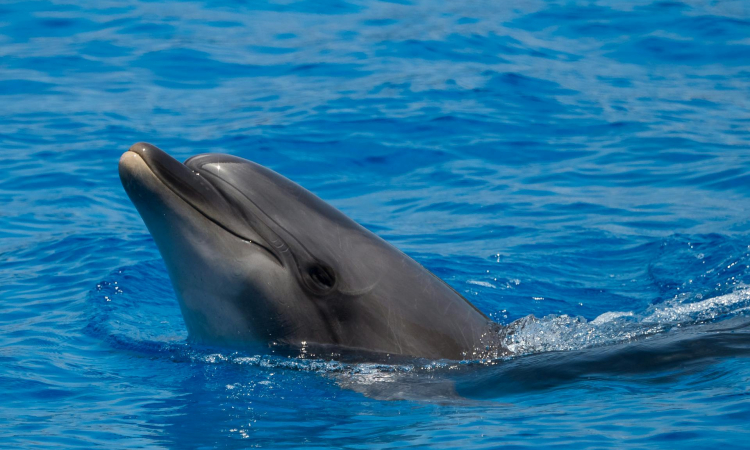
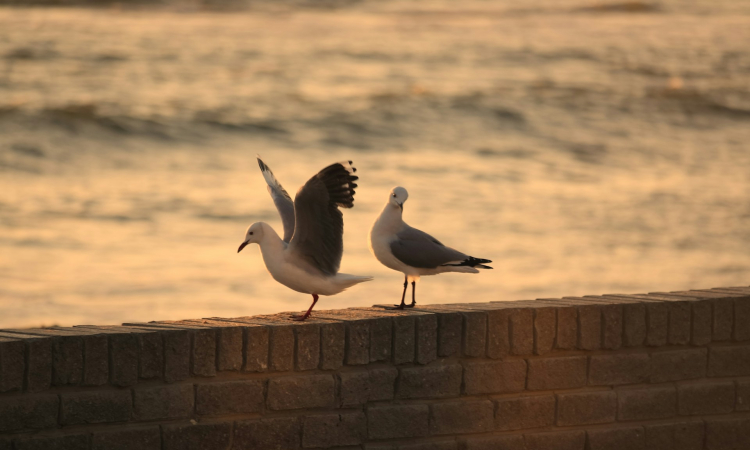
The rich Atlantic waters make Swakopmund a favorite destination for seafood lovers. Deep-sea and shore fishing are among the most popular activities.
Nearby, the Rössing uranium mine, one of the world’s largest open-pit mines, has played an important role in the town’s economy. The Salt Company Swakopmund also produces large amounts of table salt through solar evaporation.
Visitors can enjoy both German and local Namibian cuisine at the town’s restaurants and explore markets filled with handmade crafts, gemstones, and souvenirs.