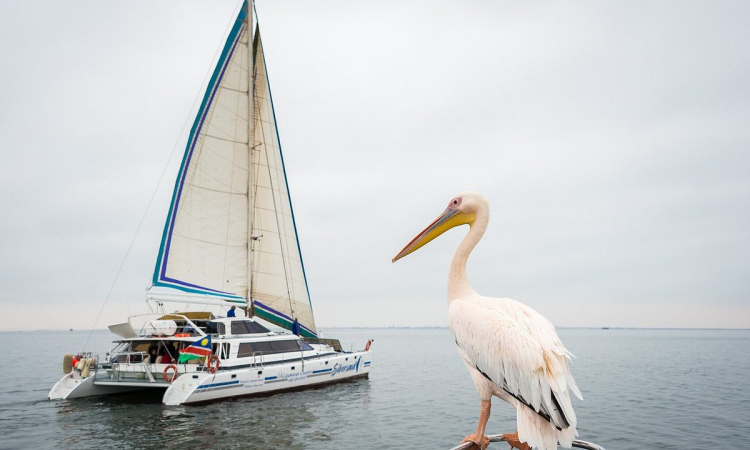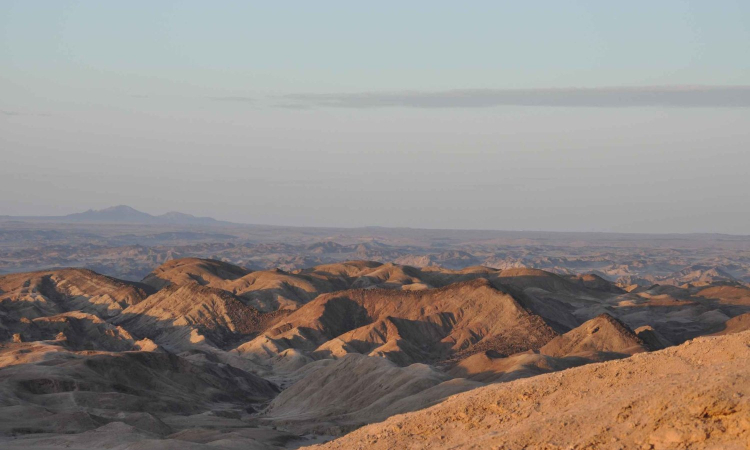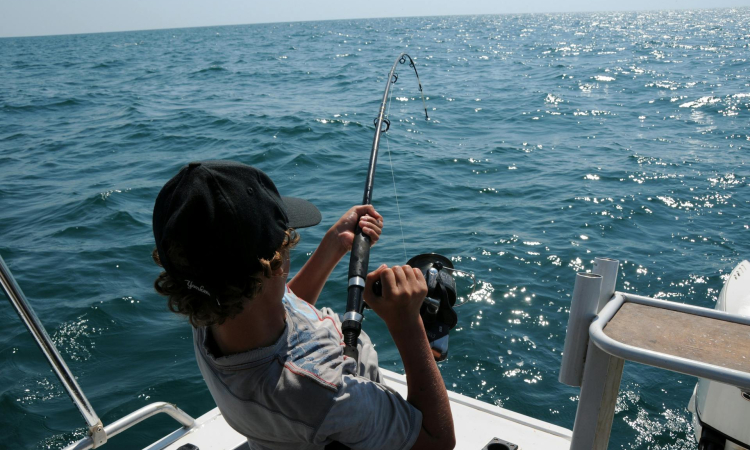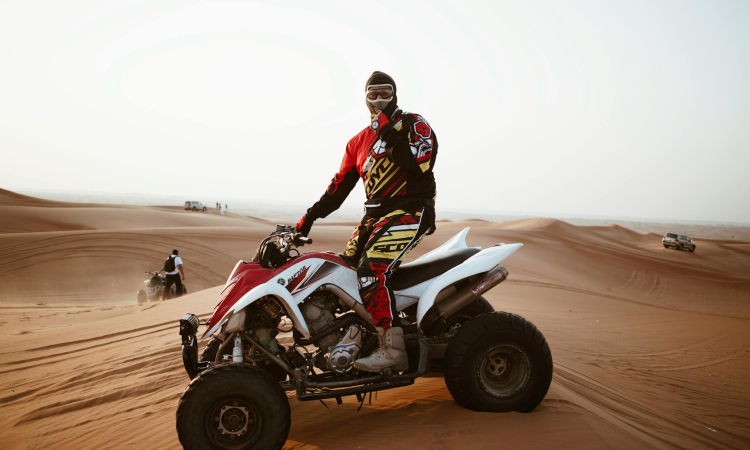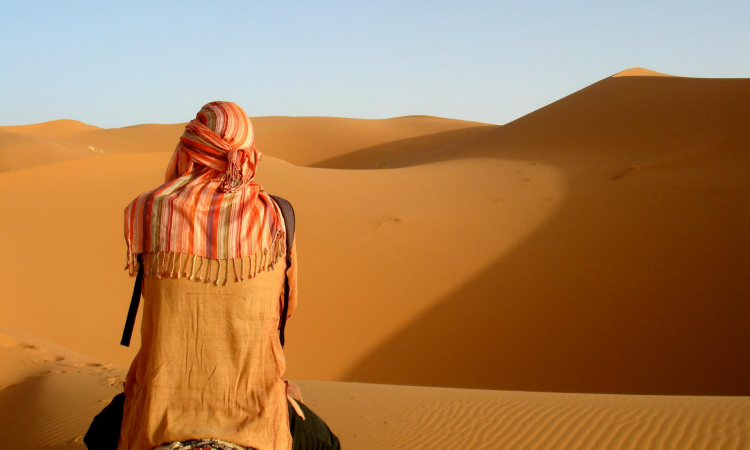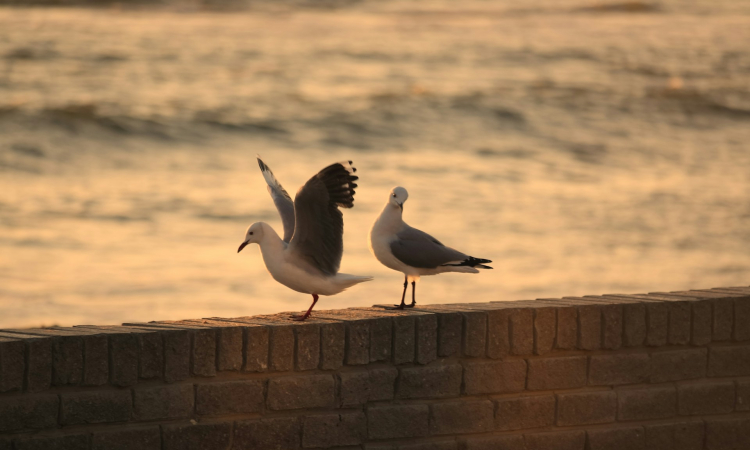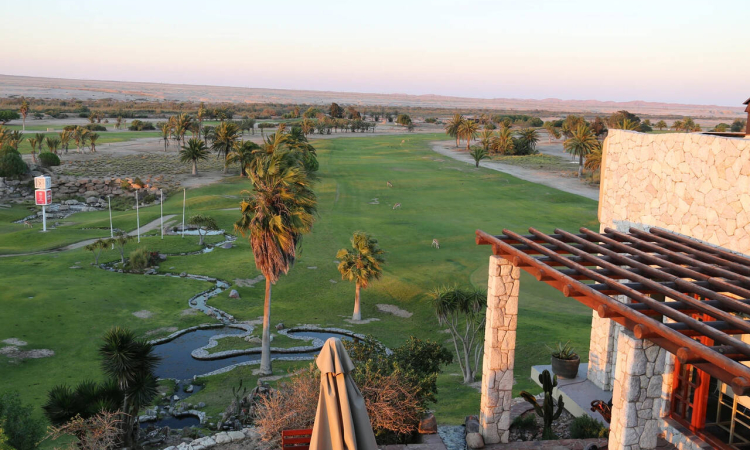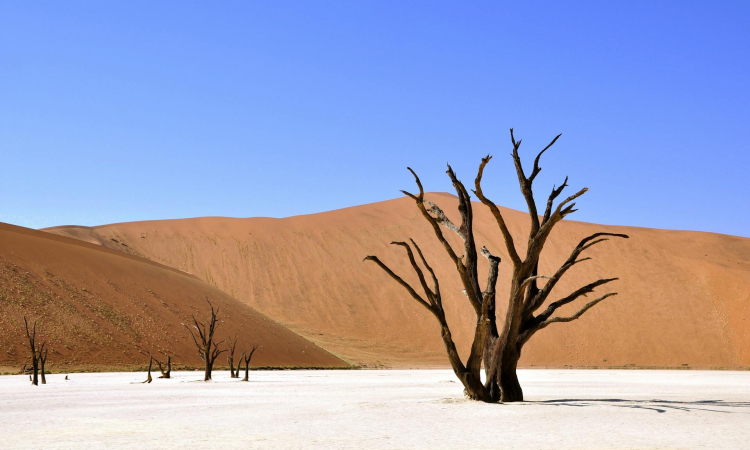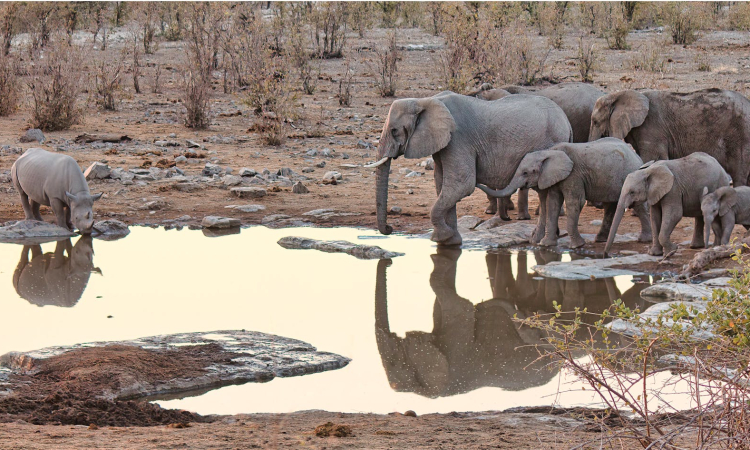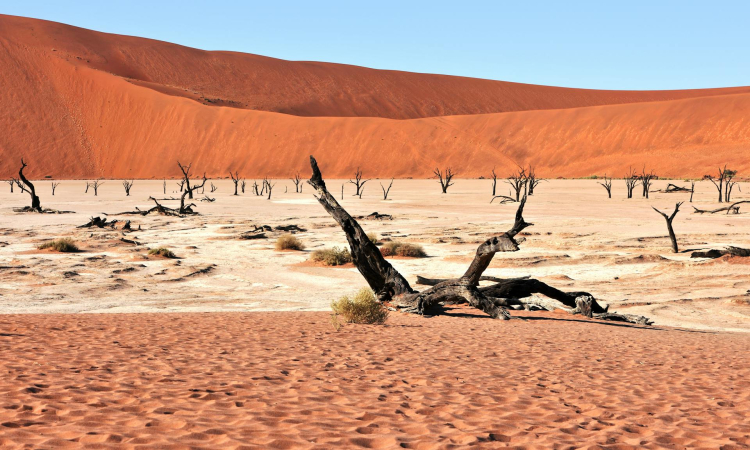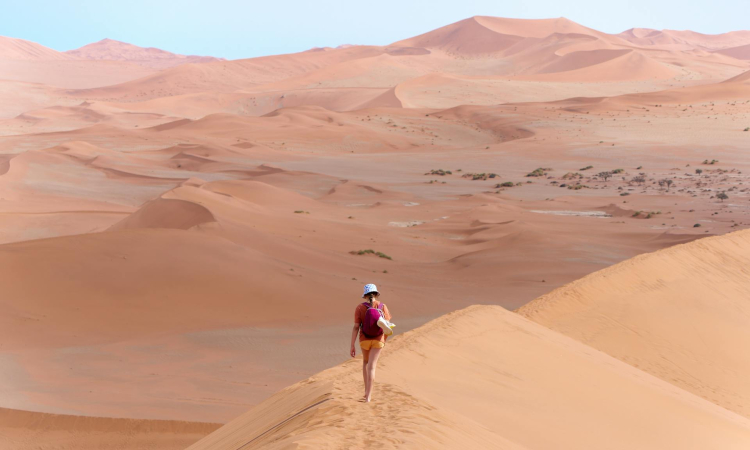
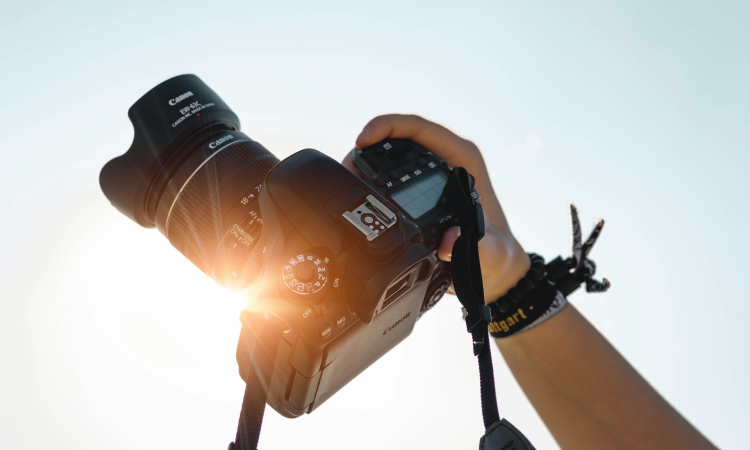
Swakopmund gives photographers tons of material. Desert meets ocean makes unique shots you cannot get elsewhere. The light here is different because of fog and location. Morning fog creates moody photos. Clear afternoons give bright colors. Knowing when and where to shoot makes a big difference.
Best Times for Photos
Golden hours are 6am to 7:30am and 5pm to 6:30pm. The sun sits low and light is warm. Dunes turn deep orange. Buildings glow. This is when professional photographers work.
Midday light is harsh and flat. Shadows are hard. Colors look washed out. Use midday for indoor shots at the museum or taking a break.
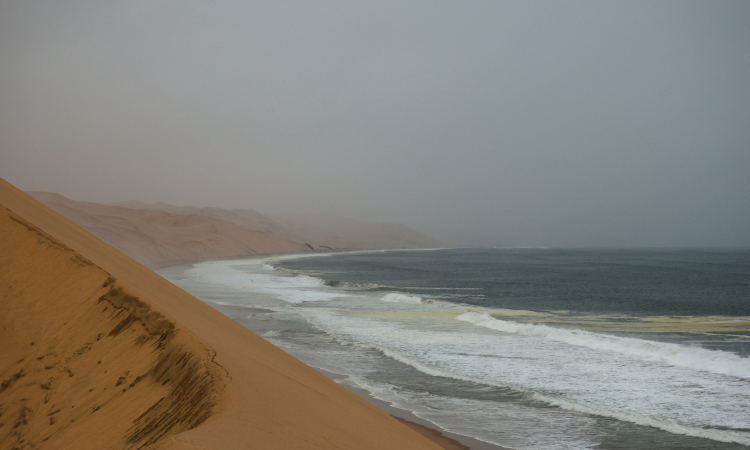
Fog rolls in most mornings between 6am and 10am. This gives mysterious, moody photos. The lighthouse disappearing into fog looks dramatic. Beach photos with fog are unique to this coast.
Top Photography Spots
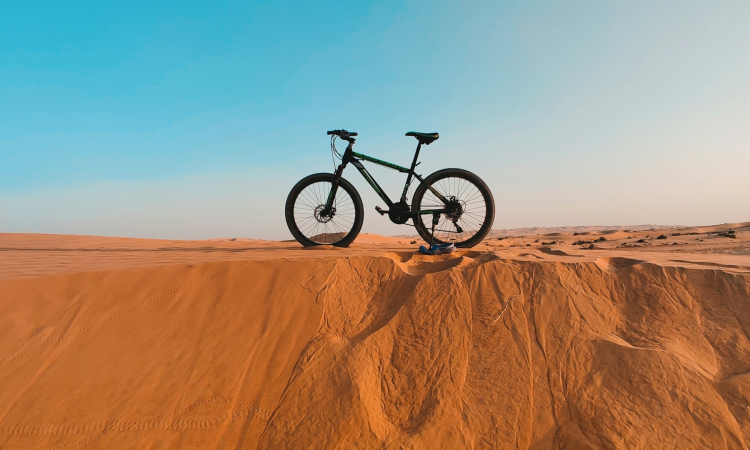
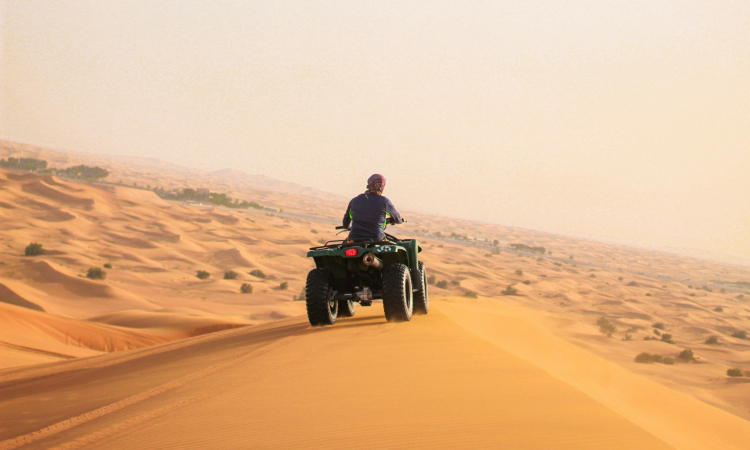
Dune 7 is 15 minutes from town. Red sand dunes with curves and shadows. Go early before other people arrive. Footprints ruin clean dune shots. Bring a wide lens for landscape and a zoom for details.
The Jetty at sunrise with fishermen working gives authentic local life photos. Ask fishermen before taking close up photos of their faces. Most say yes if you are polite.
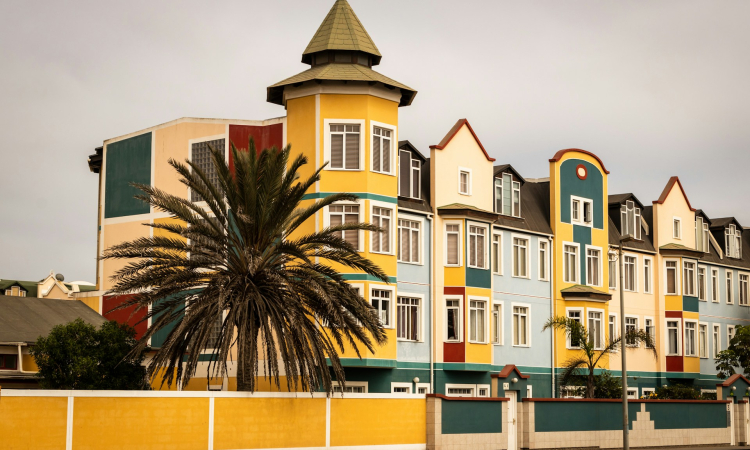
The old German buildings downtown photograph well. Bright painted houses against blue sky. The train station is photogenic. Shoot from different angles to avoid tourist crowds in your frame.
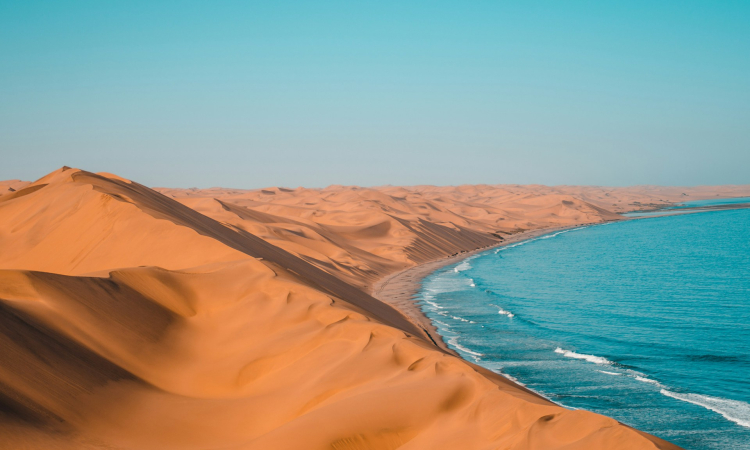
Sandwich Harbor is 45 minutes south. Dunes drop straight into the ocean. You need a 4×4 to get there. Tours take photographers there daily. Water reflects dunes creating mirror images.
For Video Work
Bring a gimbal. Wind is constant and makes handheld footage shaky. A cheap gimbal is better than no gimbal. Drone footage is popular but check regulations before flying in town.
Record sound separately if doing interviews. Wind noise ruins audio. Use a windscreen on your microphone or record voice later indoors.
Time lapses work great here. Fog moving, sun setting over dunes, stars at night. Bring a tripod and intervalometer. Namibia has dark skies so night time lapses show many stars.
Equipment Notes
Protect gear from sand. Sand ruins cameras fast. Keep everything in sealed bags. Bring a rocket blower to clean lenses. Do not use compressed air because it pushes sand into camera bodies.
Bring lens cloth. Sea spray leaves salt spots on lenses. Wipe lenses after beach shooting.
Extra batteries and memory cards. You will shoot more than expected. Charging options exist at hotels but bring a power bank for full day shoots.
Many photographers use drones here for aerial views. Combining ground photography with drone footage gives complete coverage of locations. Check local drone rules before your trip to avoid problems.