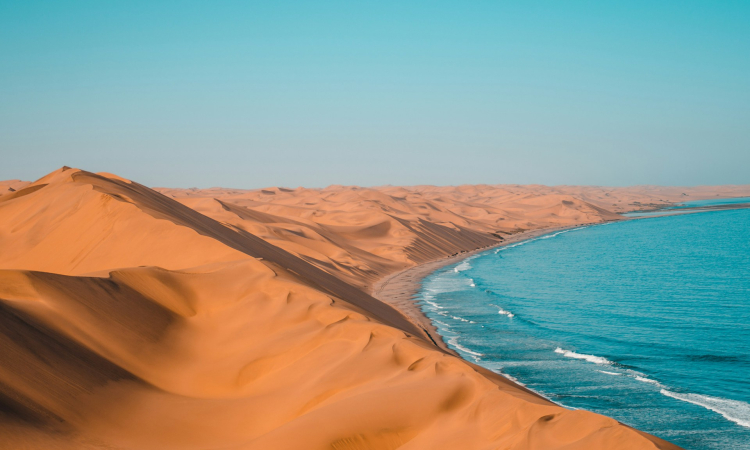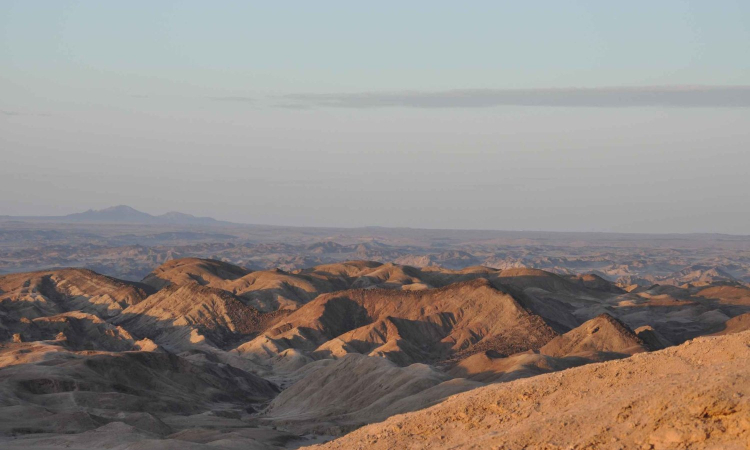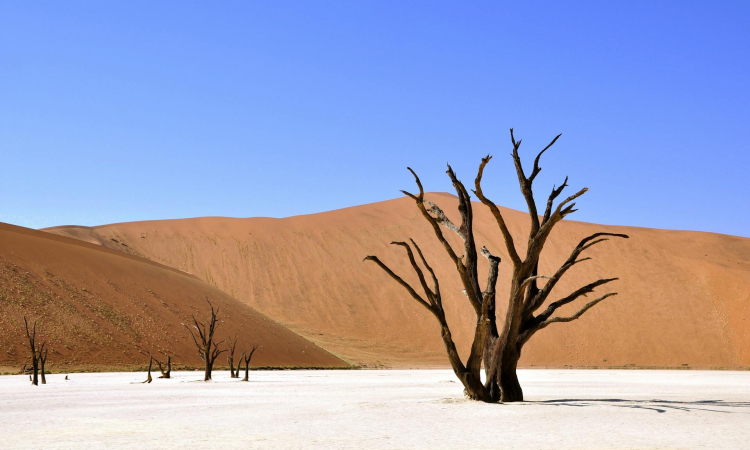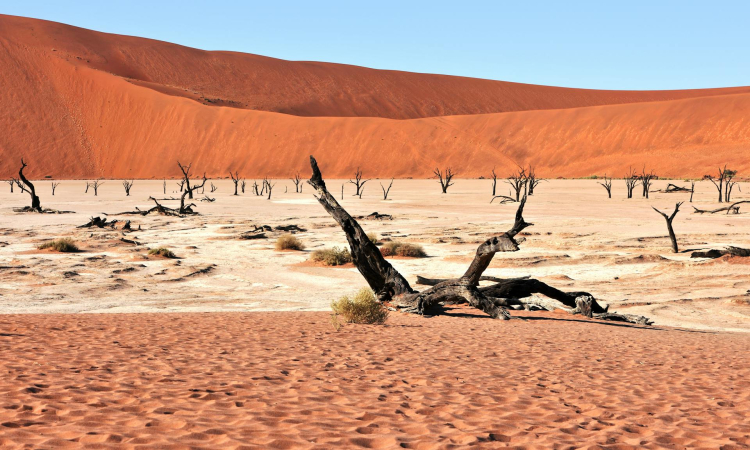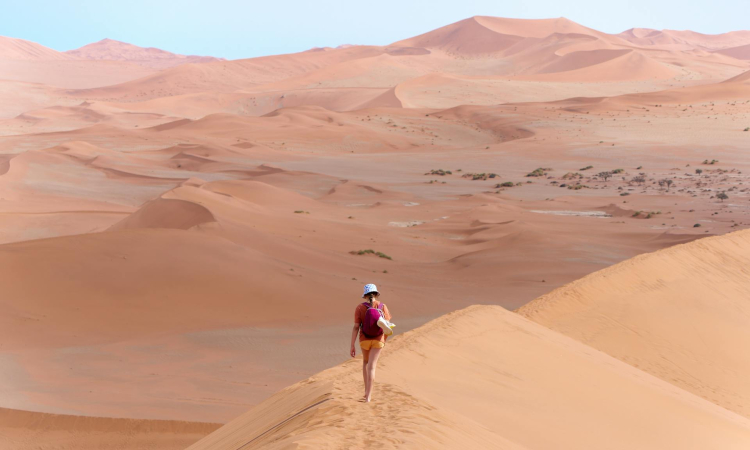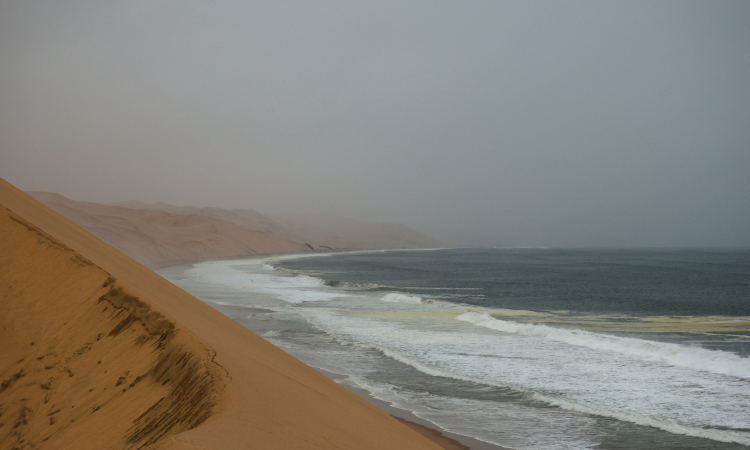

The “Gates of Swakopmund” describe the town’s role as a gateway for visitors exploring the nearby Skeleton Coast Park and Dorob National Park rather than referring to an actual structure. Located along Namibia’s coast, Swakopmund serves as the main starting point for many desert and coastal excursions that lead travelers into these famous parks.
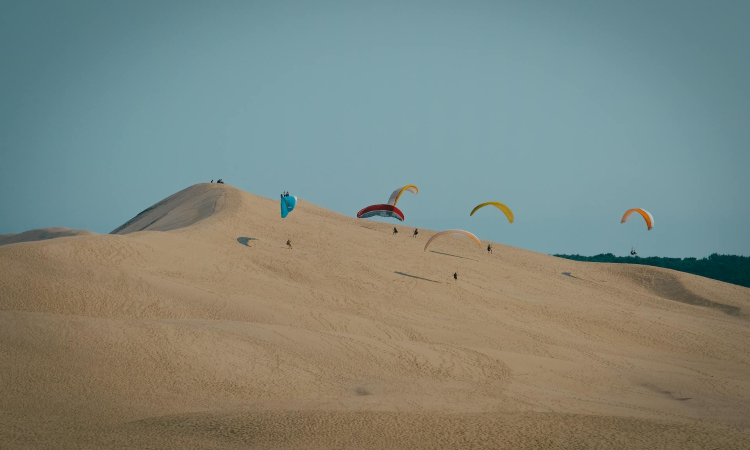
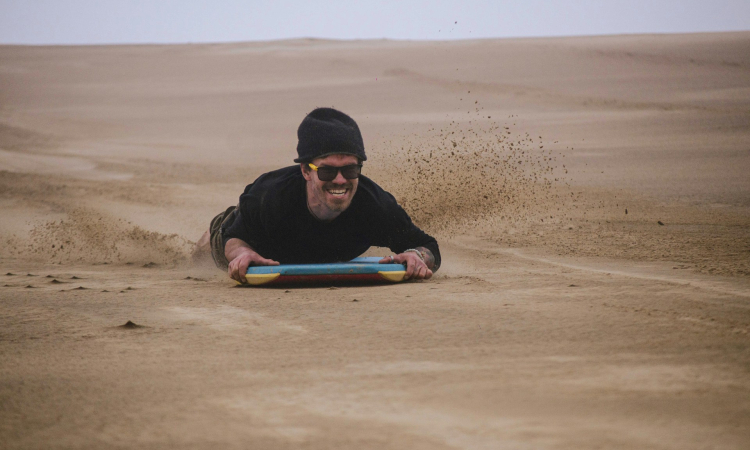
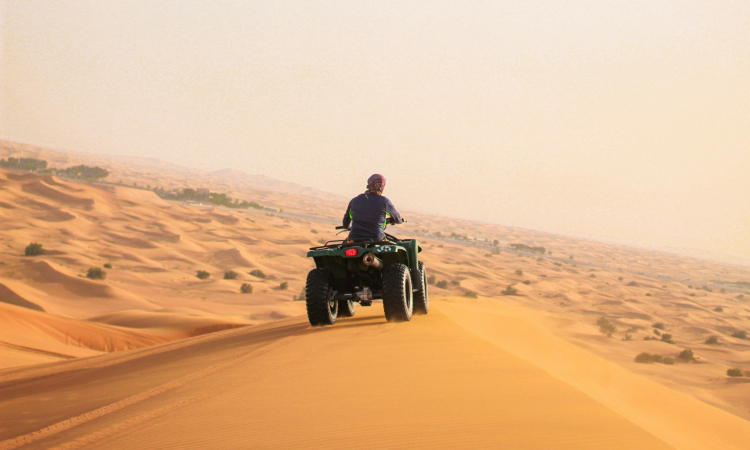
Tours and activities exploring the vast deserts of the Skeleton Coast and Dorob National Parks usually begin in Swakopmund. Many visitors use the town as a base for adventures such as quad biking, sandboarding, and guided desert tours. These activities are often seen as symbolic “gates” to the natural attractions of the Skeleton Coast. However, there are no physical gates marking the town itself.
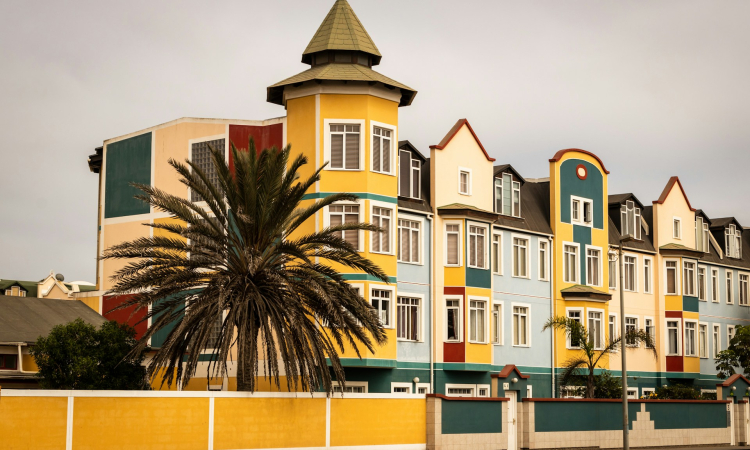
Swakopmund also acts as a historical “gate” to Namibia’s unique blend of German and local culture, reflected in its 19th-century colonial architecture.
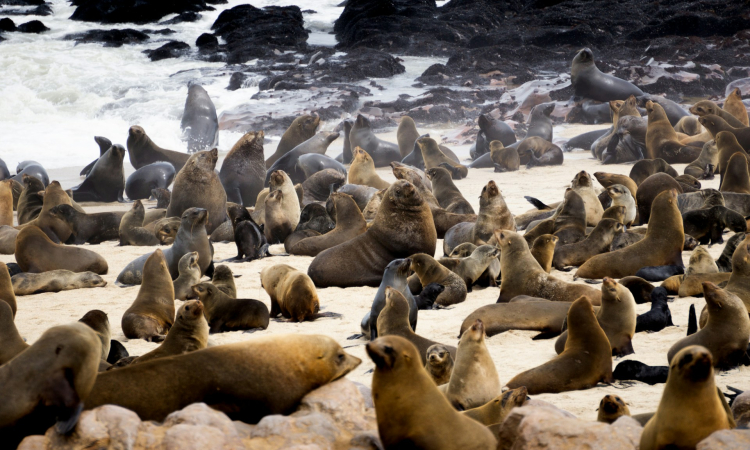
In 1892, Captain Curt von François established Swakopmund as the main harbor for the Imperial German colony. At that time, the British controlled the deep-sea harbor at Walvis Bay. On August 8th, the crew of the German warship Hyäne (“Hyena”) set up two beacons on the beach, marking the official founding of the town. Other northern locations, such as Cape Cross, were rejected, and Swakopmund was chosen because it had a reliable freshwater source.
When the first 120 Schutztruppe soldiers and 40 settlers arrived, they had to dig shelters into the sand for protection from the weather. Kru tribesmen from Liberia, who were skilled seamen, helped unload cargo using small boats. Later, around 600 Kru men were employed by the Woermann-Linie shipping company, which operated routes between Germany and South West Africa.
Swakopmund grew quickly and became one of six towns to receive city status in 1909. It soon became the main port for imports and exports across the colony and housed several German South-West Africa government offices. A wooden jetty was built in 1905, but it soon became inadequate as the Mole harbor began to fill with sand. In 1914, work began on a steel jetty, parts of which still exist today. After World War I, the jetty was converted into a pedestrian walkway.
The jetty was closed to the public for seven years due to structural problems but was restored in 2006. A sushi bar and seafood restaurant were later added to the steel section. The jetty reopened to the public in late 2010, with a new wooden walkway connecting to the original steel structure, making it one of Swakopmund’s most popular landmarks today.